When a fire alarm sounds or smoke starts to swimming pool under a ceiling, an office's security society is checked in seconds. Individuals do not rise to the event, they fall to the degree of their training. The chief emergency warden is the support point in that moment. This function is not regarding heroics, it is about system thinking, disciplined communication, and measurable results such as time to full discharge, head count reconciliation, and handover top quality to going to services. After 20 years assisting websites stand up and refine their Emergency Control Organisations, I can inform you the distinction in between complication and a tidy evacuation is usually the chief warden's prep work and poise.
What the chief emergency warden actually owns
A chief emergency warden leads the Emergency Control Organisation, the little team billed with taking care of occurrences up until emergency services presume control. The scope extends much past a fire drill. It covers planning, training, live reaction, and healing, mapped to website risks and legal obligations. In Australia, competencies typically straighten to PUAFER units, normally puafer005 operate as part of an emergency control organisation for wardens and puafer006 lead an emergency control organisation for chief wardens, however the concepts travel well to most jurisdictions.
At a useful level, the chief warden owns the feedback structure. That suggests the emergency situation procedures, the warden structure and coverage per floor or area, warden training cadence, interactions tools and screening regimens, and the intermediary procedures with the fire brigade or equivalent companies. Throughout an event, they make the telephone calls nobody else can: partial or complete evacuation, sanctuary in position, lift or refute re-entry, allowance of wardens, and termination of the alarm system as soon as verified safe.
People typically inquire about identifiers. For quick recognition, wardens put on headgears or hats in clear colours. A typical schema is red for location wardens, white for the chief warden, and yellow for communications. The specific combination can vary by site or territory, so record it, orient it throughout inductions, and maintain extra identifiers with radios. It is not vanity equipment. In smoke, sound, or groups, a clear symbol puncture. If you have actually ever tried to collaborate 800 people on a rainy wintertime early morning on a wind-swept assembly point, you will value the worth of a visible chief warden hat or safety helmet. If your group disputes what colour helmet the chief warden puts on, choose one that stands out at range. White remains common and functional.
From framework to muscle mass memory
Procedures alone do not bring a feedback. Muscular tissue memory does. Teams attain it by integrating warden training with regular procedures. This is where a puafer005 course and puafer006 course make a practical difference. PUA devices bring a shared language and expected efficiency requirements. For wardens that full puafer005, the emphasis is on function clearness, search patterns, discharge courses, and aiding residents with added requirements. For primary wardens who full puafer006, the emphasis moves to leadership under pressure, details triage, and the auto mechanics of leading an emergency control organisation end to end.
I favor to blend formal training courses with site-specific drills. A generic fire warden fire warden training course develops structures, yet a warehouse with high-rack storage behaves in a different way from a skyscraper office, and an information centre with gaseous suppression demands different decision limits than a childcare center. Develop situations that match your threats. Stage a smoke machine examination to check detector reasoning. Replicate a lawn sprinkler seclusion failing. Run a two-zone alarm where the source can not be validated within three minutes. Your feedback timings, radio technique, and choice logs will tighten rapidly.
Training has to cover devices too. Radios fall short in concrete cores. PA systems clip in stairwells. Layout head out of date when fit-outs relocate. A skilled chief emergency warden course fire warden sets a monthly confirmation rhythm: test every portable, examine spare batteries or battery chargers, walk the discharge routes, and confirm that refuge points are practical, not theoretical. Do not contract out every one of this to facilities. The chief warden requires personal knowledge with the idiosyncrasies of the site.
Decision-making under pressure
The hardest part of the function is not announcing discharges. It is making decisions under unpredictability while the clock is running. 3 restraints control: limited information, time compression, and human behaviour. The chief warden's work is to form those constraints into workable choices.
Most events begin with a signal, not a tale. The fire sign panel shows a zone in alarm, a detector kind, perhaps an additional fault. Lifts remember. People start to ask concerns that have no instant solution. A good chief warden has a mental triage:
First, validate life safety. Can residents sit tight without increasing risk for the following couple of minutes? Or exists an immediate risk that demands a general emptying? Signals that turn towards instant emptying include noticeable smoke past the beginning, simultaneous alarm systems in several areas that share a shaft or ceiling gap, or loss of pressurization in stairwells.
Second, tighten information loopholes. Release a flooring or area warden to the origin area with a radio and clear language. Do not send greater than required. One set can observe and report without clogging stairwells. Request specifics: no smoke, light haze, visible flame, smell stamina, heat at door, noise of suppression discharge. This regimented language stays clear of noisy reports like "seems fine."
Third, choose for the majority. If the signal can not be validated swiftly, a traditional choice shields the lots of. A complete emptying enforces expense and disturbance, but the expense of hold-up when a fire is expanding behind a riser door is orders of size higher. Be ready to protect the call later on with your log and timing.

I maintain a straightforward, three-line log throughout live cases: time, activity, reason. 10:03, partial emptying Degrees 10 to 12, unproven smoke Degree 11 ceiling gap. 10:06, rose to complete building emptying, 2nd alarm system Degree 10 return air plenum, unidentified spread. These few words will be gold when briefing the fire solution on arrival or describing to monitoring why 1,200 individuals stood on the street for 35 minutes.
The peaceful job that makes sounds unnecessary
The best primary wardens are unnoticeable the majority of the year. They do the quiet work others miss. They stroll the fire staircases, count the variety of doors that are wedged open, and get those wedges tossed out. They take a look at assembly factors at 7:30 a.m. when delivery van occasionally block the aesthetic, then negotiate with building administration to repaint a keep-clear zone. They guarantee the fire warden training requirements are not simply ticked in a knowing management system, however demonstrated throughout drills and taped with action things. When a person with minimal movement joins a team on Level 19, they upgrade the Individual Emergency Emptying Strategy that week, not after the following drill. This is the craft of the role.
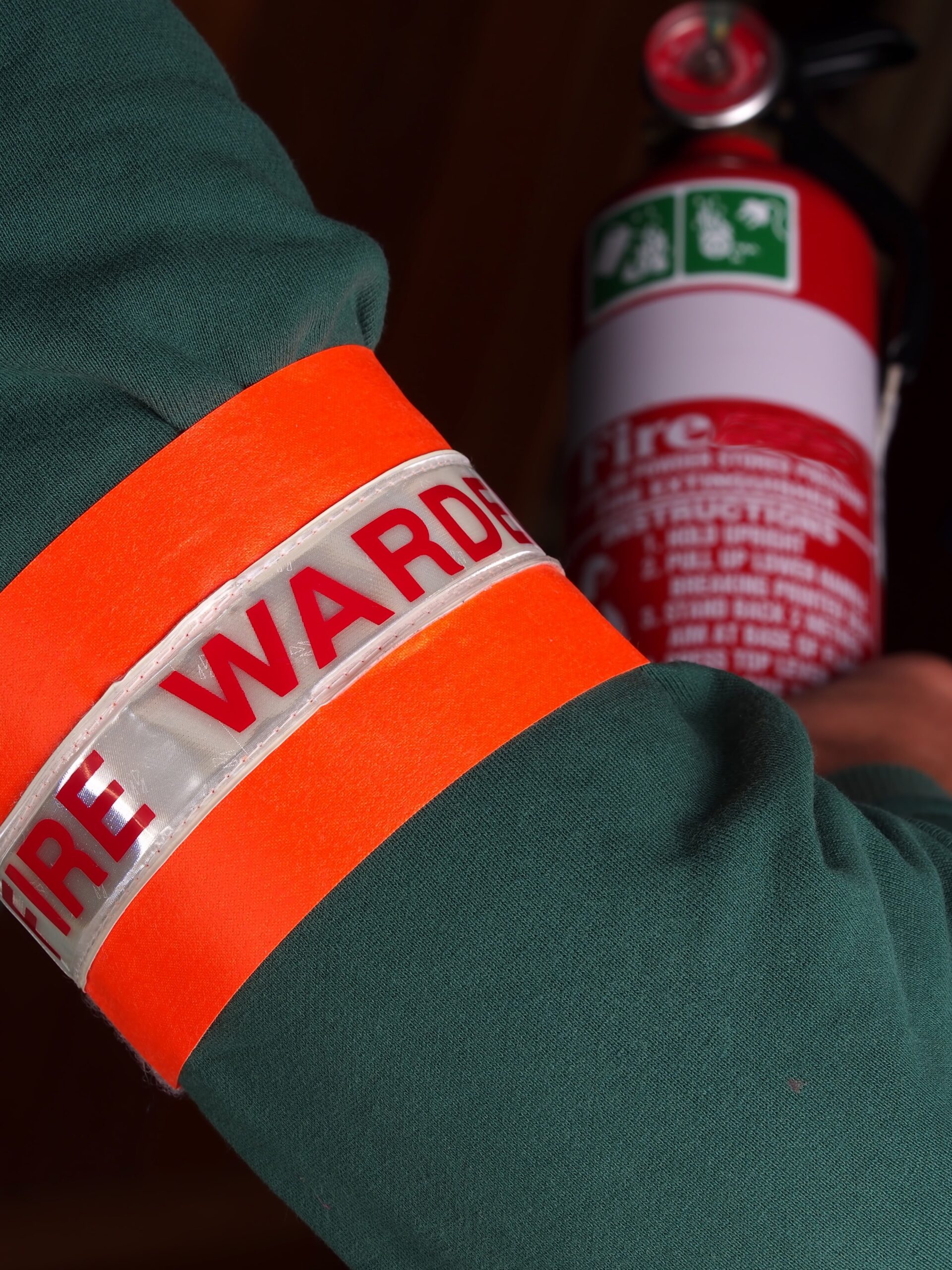
Fire warden demands in the work environment differ by jurisdiction and structure class, yet they share core expectations: sufficient protection throughout all inhabited locations and shifts, proficiency straightened to the risk profile, and evidence of training and drill performance. A reasonable proportion in an office is approximately one warden per 20 to 30 residents per area, however adjust for design intricacy and mobility needs. For a warehouse or production floor with higher noise and plant hazards, include even more wardens and guarantee presence gear becomes part of the warden kit.
What the colours imply, and why people ask
People love inquiring about fire warden hat colour or chief warden hat colour. It is a sensible inquisitiveness with a social benefit. Clear colour conventions stop disputes during incidents. You can select your own schema if none is mandated, yet stick to high-contrast colours that occupants can spot at 20 to 30 meters in combined light. White for the chief warden, red for wardens, and yellow or environment-friendly for interactions or first aid are common patterns. The factor is recognition. When somebody asks what colour helmet a chief warden puts on, they are normally also asking, who do I adhere to when I am emphasized? Answer both clearly in inductions and signage. If you already have a chief warden hat or helmet stock, examine it two times a year for fractures, discolored colour, and the condition of chin straps. Safety helmets get thrown in cabinets and age quicker than you expect.
The 2 courses that anchor competence
In Australia's training framework, puafer005 and puafer006 develop the backbone for workplace wardens and primary wardens. A lot of companies run a puafer005 course for basic wardens and a puafer006 course for chief wardens. The puafer005 operate as part of an emergency control organisation program gears up wardens to perform guidelines securely, search their areas, help discharges, and communicate efficiently. The puafer006 lead an emergency control organisation program focuses on preparation, management, and control, including just how to orient emergency services and take care of post-incident actions.
An excellent emergency warden course will not instruct only theory. It should imitate radio congestion, obstructed egress, and imperfect details. In my sessions, I often eliminate 2 radios mid-exercise to imitate battery failure, after that see whether the group reroutes messages via the or joggers. That type of stress test reveals fragile presumptions prior to a real event does.
For offices unclear where to start, a mixed warden course with a site walk-through is the lowest-friction entry point. You can after that develop a yearly cycle that consists of one full emptying drill, one partial drill, one desktop computer circumstance for the chief warden and replacements, and quarterly devices checks. The chief fire warden training ought to be refreshed every a couple of years, earlier if your website threat account changes.
Communication that gains compliance
People comply with clear, trustworthy voices. During cases, the chief warden's words matter as long as the alarm system sound. Keep statements brief and specific. As opposed to a common "Please evacuate the building," attempt "Attention, all owners on Degrees 10 to 12: leave via the fire stairways now. Do not make use of lifts. Continue to Setting Up Factor A on George Road. Wardens will certainly help." Time stamps aid. Offer updates every two to 5 mins throughout prolonged emptyings. Silence breeds speculation.
Radio self-control is learned, not presumed. Usage call indications that map to functions and zones. Limitation transmissions to crucial information and demands. Correct delicately yet strongly when someone clutters the network with discourse. During a drill in 2015, we determined a 40 percent enhancement in emptying time after training wardens to make use of basic expressions as opposed to conversational radio chatter.
Managing people who can not self-evacuate
Every website has individuals for whom stairways are not functional, whether permanently or temporarily because of injury or pregnancy. The chief warden ensures there are Individual Emergency Situation Evacuation Strategies in position which wardens know the place of refuges and evacuation chairs. Discharge chairs are fantastic when wardens are educated and solid sufficient to use them safely. They threaten when staff improvise under stress and anxiety. Choose early who will certainly operate the chairs and exercise the descent in a controlled setting. In numerous buildings, the safer option during smoke-free alarms is to shelter in a stair touchdown sanctuary with wardens published, then leave with fire service help if problems wear away. Paper this and orient the specific so they recognize the strategy and count on it.
Partial emptyings, duds, and the cost of overreaction
Not every alarm validates a full-building emptying. A toaster oven in a level 3 kitchenette throughout peak rainfall will send hundreds of individuals outside at an efficiency cost, not to mention exposure risk, if you constantly empty the structure on signal. Partial discharges exist for a reason. If your fire sign panel and structure systems sustain zoned evacuation and you have trustworthy confirmation from wardens, utilize it. Develop thresholds in your emergency situation strategy: for a solitary, non-propagating alarm without smoke movement and very early reductions, leave the affected flooring and the one above. If you can not get eyes on or the detector remains in a high-risk area such as a server space or plant room, broaden the feedback quickly.
False alarm systems are never ever totally free. After a series of them, occupants tune out. A chief warden has a responsibility to reduce hassle triggers by collaborating with facilities on upkeep: normal detector cleansing, warm detector replacement in kitchen areas where permitted, toaster oven bans in issue areas, improved door closers to preserve smoke separation. Keep a log of alarm system reasons. Patterns will emerge, and you can resolve them.
Handovers that aid firemens aid you
When the fire brigade or emergency situation services show up, your job tightens to accurate details handover and assistance. They desire what is true, current, and useful. Prepare to give the adhering to without fuss.
- Time of alarm system, areas affected, and present panel indications. Known cause or observations from wardens, consisting of smoke, warmth, fires, smells, and reductions status. Occupant standing: evacuated, partial, unidentified, and anyones shielding in position with locations. Building systems: sprinklers or gas suppression standing, stairway pressurization, lifts recalled, isolations in place. Access: keys, fire control area location, roof covering access, and any type of threats such as lithium battery storage or chemicals.
I keep a laminated timely in the fire control area to keep this tight. It conserves minutes in the most pricey time window of an incident. After handover, remain available yet do not crowd the procedures. Your following focus is accountability of individuals and welfare at assembly points.
Post-incident healing and the part no one enjoys
Once an event finishes, there is a solid pull to get everyone back within and go back to work. Resist the urge to thrill. Take 10 minutes for a quick hot debrief while memory is fresh. What functioned? What slowed us down? Which radios fallen short? Did any individual have problem with the ? Did the setting up point hold everybody safely, including contractors and visitors? Capture 3 to five activities, designate owners, and placed dates on them. Then do a fuller cool evaluation within a week, with logs and times. This is where the chief warden gains long-term count on, by transforming lived rubbing into improvements.
Your record ought to be accurate and useful. Avoid blame language. A sentence like "Emptying lag on Degree 14 due to vague PA message at 10:05; action: update layout and re-train drivers" aids more than "Degree 14 sluggish to evacuate." Include photos if they aid. Administration will certainly fund changes if you show the web link in between a little repair and faster, safer outcomes.
Selecting and maintaining the right people
Chief warden needs are not a long checklist of hero qualities. You require a constant personality, enough authority to affect peers, and real respect for process. In larger sites, assign replacements to cover leave and changes. Spread skills across departments so the role does not collapse when one team transforms over.
Recruit wardens with the very same intent. Individuals that know their flooring and are appreciated by associates make better wardens than volunteers that just desire the safety helmet. Clear up time expectations. Warden training is not a once-a-year formality. Drills, equipment checks, and occasional after-hours jobs will be part of the job. Recognize the payment. Acknowledgment throughout city center or small thank-yous go further than you expect.
Building a pragmatic training plan that fits the work
Training loses power when it is divorced from truth. Link the tempo to your organization rhythm. For offices, prevent end-of-quarter problem and timetable drills early in the day to reduce disruption and fatigue. For warehouses, stagger drills by area to keep operations moving. For healthcare facilities and aged treatment, run compartment-based workouts that simulate smoke movement without moving at risk patients. Where guidelines call for yearly emptying practice, go beyond the minimum with a minimum of one unannounced circumstance yearly, within reason.
If you are setting up from the ground up, begin with these 5 aspects and broaden once they run smoothly.

- Nominate a chief warden, deputies, and area wardens throughout all inhabited zones and changes, after that release the roster. Deliver emergency warden training targeted to duties: puafer005 for wardens, puafer006 for chief/deputies, plus website induction refreshers. Test communications: radios, PA, and back-up methods. Change batteries and label chargers by zone. Run a tabletop for the leadership group, going through choice factors, partial emptyings, and handovers to terminate services. Conduct a complete discharge drill with timed accountability, complied with by a short hot debrief and a created activity list.
Edge cases that separate the prepared from the lucky
Not every emergency situation is a book emergency alarm. Lithium-ion battery thermal runaway produces harmful fumes quickly. A sprinkler head sheared by a forklift can look harmless until water stress falls down a ceiling floor tile onto a stair touchdown. A gas reductions misfire in a web server space can produce an oxygen-depleted environment. The chief warden has to understand the website's peculiar threats well enough to change decisions.
If your site shops batteries, recognize the location and amount, the ventilation, and the preferred reaction. Create it into your strategy. For data centres with aeriform systems, short wardens on the pre-discharge warning sequence and lockout treatments. For skyscrapers going through refurbishment, track short-lived egress changes weekly. Short-lived hoardings and locked doors have actually caught greater than one evacuation.
COVID-era structure modifications presented another side case that lingers: transformed air flows and shut dampers. See to it your mechanical controls align with your discharge assumptions. A sealed stairwell with stopped working pressurization is not a safe path.
Measuring what matters
Stop thinking. Step. Useful metrics consist of ordinary time to launch evacuation after alarm, time to clear each floor, total time to all-clear at setting up, percentage of residents accounted for, and radio uptime. Over a year, these numbers inform you where to tighten. If Degree 7 consistently delays by two mins, walk it. Maybe a labyrinth of cubicles or a society of ending up e-mails is the perpetrator. Fix the layout or the message.
Track training completion and recency, specifically for chief warden training and delegate insurance coverage. If your emergency warden course completions dip listed below 80 percent of your lineup, expect performance to sag. It is not moral failure. It is ability decay.
Getting useful regarding icons and signage
Clarity defeats brains. Place warden photos and names near lifts on each floor so people recognize them. Mark evacuation courses with arrows at eye height and at knee height for smoky problems. Put your chief warden hat, spare radios, high-visibility vests, and layout in a solitary, opened cabinet in the fire control room or equivalent. Tag it in large letters. If you can, consist of a little lantern for each and every radio. When the power goes and your generator takes a minute, you will rejoice you did.
What excellent looks like on a negative day
A well-led emergency situation has a feeling to it. The alarm sounds. The chief warden recognizes the panel within secs. Area wardens move to pre-planned settings and inspect priority rooms. News are crisp, not theatrical. Residents increase, gather fundamentals if safe to do so, and flow to staircases without debate. Radios are alive yet tranquil. At the setting up point, wardens report their headcounts and exceptions without dramatization. The chief warden updates occupants every few minutes, even if the message is merely, "Stand by, responding staffs are investigating. We will certainly suggest quickly." When teams get here, the handover is reliable and the primary steps back. Later, the team records two or three improvements and relocations on.
No one applauds at the end. They do not require to. The procedure of the chief emergency warden is not fanfare. It is the speed and safety and security with which individuals get out, the top quality of info handed to firefighters, and the lessons carried forward. That is the craft. It is found out, practiced, and quietly kept ready.
If your work environment has actually been avoiding structured warden training, begin. Enrol wardens in a qualified fire warden course lined up with puafer005, and your principal in a puafer006 lead an emergency control organisation program. Stroll your site with fresh eyes, update your procedures, and examine your interactions. Select a clear colour for the chief fire warden hat and make sure everyone understands it. The very first time you require the system to work, you will want it to really feel acquainted, virtually regular. That is the power of preparation.
Take your leadership in workplace safety to the next level with the nationally recognised PUAFER006 Chief Warden Training. Designed for Chief and Deputy Fire Wardens, this face-to-face 3-hour course teaches critical skills: coordinating evacuations, leading a warden team, making decisions under pressure, and liaising with emergency services. Course cost is generally AUD $130 per person for public sessions. Held in multiple locations including Brisbane CBD (Queen Street), North Hobart, Adelaide, and more across Queensland such as Gold Coast, Sunshine Coast, Toowoomba, Cairns, Ipswich, Logan, Chermside, etc.
If you’ve been appointed as a Chief or Deputy Fire Warden at your workplace, the PUAFER006 – Chief Warden Training is designed to give you the confidence and skills to take charge when it matters most. This nationally accredited course goes beyond the basics of emergency response, teaching you how to coordinate evacuations, lead and direct your warden team, make quick decisions under pressure, and effectively communicate with emergency services. Delivered face-to-face in just 3 hours, the training is practical, engaging, and focused on real-world workplace scenarios. You’ll walk away knowing exactly what to do when an emergency unfolds—and you’ll receive your certificate the same day you complete the course. With training available across Australia—including Brisbane CBD (Queen Street), North Hobart, Adelaide, Gold Coast, Sunshine Coast, Toowoomba, Cairns, Ipswich, Logan, Chermside and more—it’s easy to find a location near you. At just $130 per person, this course is an affordable way to make sure your workplace is compliant with safety requirements while also giving you peace of mind that you can step up and lead when it counts.